

13 Dec Intentional Holidays
“I never cook for the holidays,” Matt grimaced. “I worked in the restaurant industry for years, and November and December were always a nightmare.”
“People were constantly complaining: the turkey is dry, the pie crust should be more flaky, the latkes are too oily, you need more jelly in the sufganiyot, the collard greens aren’t boiled long enough, and the Yule log needs more decorations. I just avoid holiday food altogether!” Matt explained.
“Talk about stressful!” I emphasized. “So what do you do for the holidays these days?”
“Lots of different things. Last year I was exploring Uruguay with a friend, a few years ago I visited distant cousins in Italy, and this year I have no idea.” Matt had an impressive list of activities, but somehow didn’t appear very happy.
“Do you like the variety?” I gently asked.
“Oh I don’t know. Maybe I feel like something’s missing. I’d give anything for a made-from-scratch green bean casserole like my auntie used to make.”
Psychological reactance, a term created in the 1980’s by Brehm and Brehm (a couple who researched together while married and divorced), is an unpleasant reaction to a perceived threat to our behavioral freedom. Some people have a high “trait reactance,” which is a personality characteristic, while others discover this concept in stressful situations.
Matt (the latter) loved cooking but when the head chef made it clear that the kitchen staff had to adjust to the customers’ wishes, regardless of how ridiculous they were, Matt began to feel like he had little to no control over his daily tasks at work.
Not only did he quit, but he then committed to NEVER cooking around the holidays again. The extremeness or “unpleasantness” of his reaction is the heart of the concept of reactance.
One method we use to make healthy decisions is called contextual reasoning ( a concept used across a variety of disciplines). In the field of psychology, Sharps and Martin in 2002 showed that when we are privy to pertinent information in the moment of making a decision (i.e. context), we can improve our awareness and thereby our ability to make a healthy choice.
Interestingly a critical component is the “in-the-moment” experience. If people rely on long-term memory and not re-thinking through the context in the present, the results are not as favorable.
“Matt,” I asked. “What if your decision to stop cooking holiday food is no longer working for you? I hear it helped you leave an unhealthy employment situation in the past, but what if it’s actually keeping you back from enjoying your holidays?”
Russell in 2021 argues that reactance can be adaptive and beneficial, but only to a point.
In order to move forward we talked through Matt leaving his reactance and the emotions associated with holiday food in the past, and began to explore what filled him with positive feelings about the holidays in the present.
Soon Matt had a list of close friends (or “chosen family”) who were thrilled to be invited to a Winter Feast at his house where he planned to cook his own holiday favorites.
Is there a reactance in the past that’s impacting your present? Take a moment to bring your focus and intention in to the present, noticing what you might do differently if you let it go.
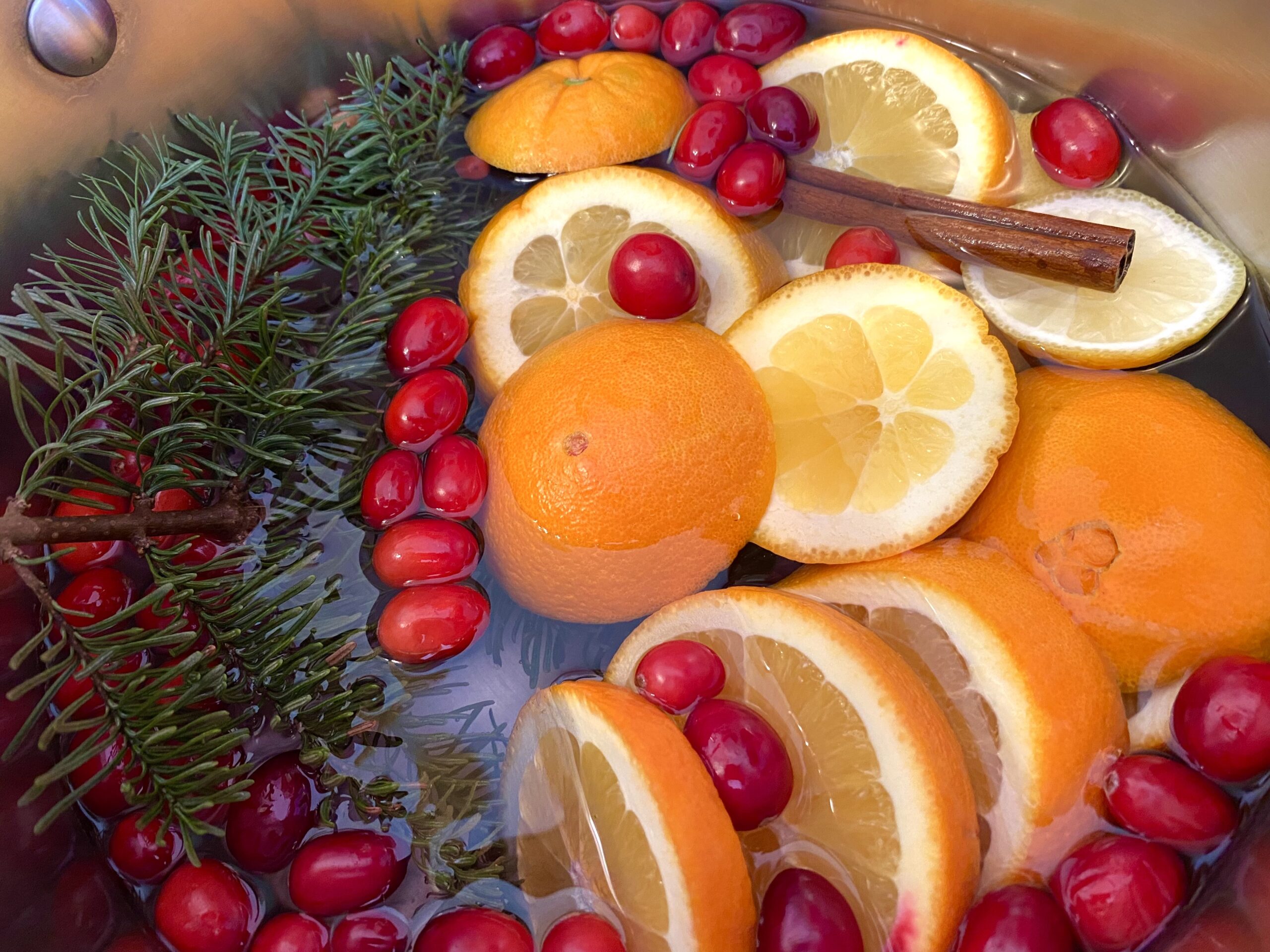
“Holiday Simmer Pot”, photo by Richard Brandon. Trying a new recipe to infuse our home with seasonal aromas that remind us of happy childhood memories .
Originally published in the Dec. 11, 2025 edition of the Mountain-Ear